
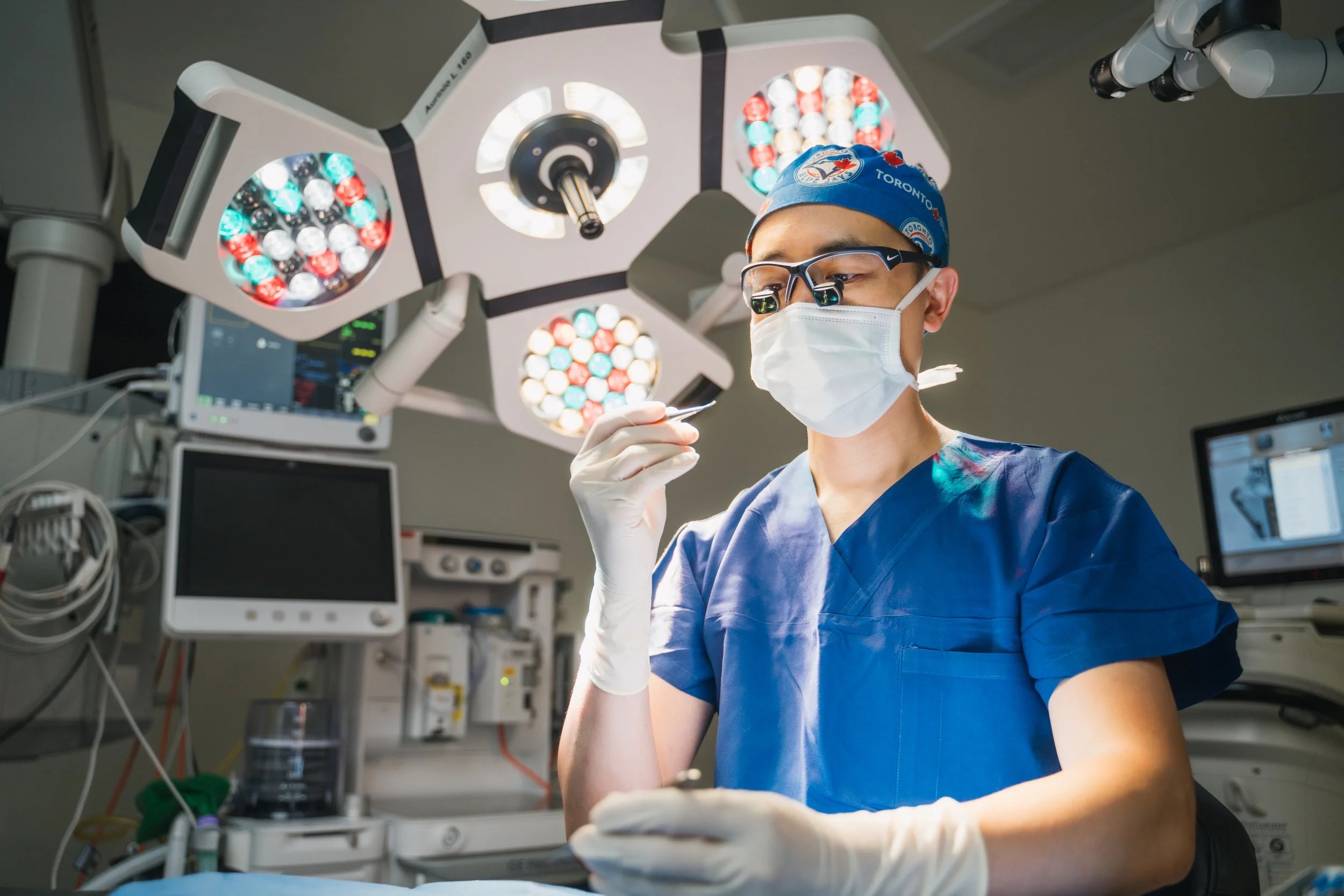
Adult Oculoplastic Surgery in Sydney with Dr Hugo Lee
Oculoplastic surgery focuses on the delicate structures around the eyes, including the eyelids, tear ducts, and eye socket, with the goal of improving vision, comfort, eye health, and appearance. Whether you’re experiencing drooping eyelids, excessive tearing, changes in eyelid skin, or more complex conditions affecting the orbit, oculoplastic care offers highly specialised solutions for the eye area.
Dr Hugo Lee provides comprehensive adult oculoplastic surgery in Sydney, combining advanced medical expertise with a thoughtful, patient-centred approach. His work spans both functional and cosmetic procedures, always prioritising safety, natural results, and optimal patient outcomes.
What is Oculoplastic Surgery and Why is it Important?
Oculoplastic surgery is a subspecialty of ophthalmology. While general ophthalmology focuses on preserving and restoring vision, oculoplastic surgery extends this care to how patients see, look and feel. Scientific studies consistently show that the periocular region is the most influential feature for facial recognition, personal identity and emotional expression. Oculoplastic Surgery, therefore, sits at the intersection of eye health, facial function, and human connection.
An oculoplastic ophthalmic surgeon is a fully trained eye doctor who has completed additional fellowship training to manage conditions affecting the eyelids, tear drainage system, and orbit. Even small changes in eyelid position or tear drainage can significantly impact daily comfort and vision. Oculoplastic surgery addresses these concerns with precision and care.
These structures play a critical role in:
Protecting the eye
Maintaining normal tear production and flow
Supporting clear vision
Preserving facial balance and expression
Supporting eye movement and pupillary function
Conditions Treated in Adult Oculoplastic Surgery
-
Conditions such as ptosis (drooping eyelids), ectropion (outward-turning eyelids), and entropion (inward-turning eyelids) can significantly affect vision, eye comfort, and the eye’s natural protective function.
Ptosis may require treatment when eyelid droop interferes with vision or peripheral vision. Ectropion can cause excessive tearing, dryness, and irritation due to poor contact between the eyelids and the eye surface. Entropion may cause the eyelid to rub against the cornea, leading to redness, a foreign-body sensation, and, in severe cases, corneal damage.
In some situations, changes in eyelid position may also be an early sign of eyelid skin cancer, where abnormal tissue growth alters normal eyelid anatomy. Early assessment is therefore important to protect both eye health and overall well-being.
-
Both benign and malignant eyelid lesions require careful and accurate assessment. When surgical removal is indicated, the priority is complete tumour excision while preserving normal eyelid function and achieving the best possible cosmetic outcome. Tumour clearance may be confirmed during surgery by a pathologist (for example, via frozen-section analysis) or through collaboration with a Mohs surgeon, depending on the lesion type and location.
Following tumour removal, meticulous eyelid reconstruction is performed to restore eyelid function and appearance. When complete anatomical restoration is not possible, protecting the eye and maintaining eyelid function are prioritised, followed by achieving the best possible eyelid symmetry.
-
Excess upper eyelid skin, known as dermatochalasis (sometimes called blepharochalasis), can create a heavy, tired appearance and may restrict vision. Blepharoplasty is a surgical procedure that removes excess skin to restore a more open visual field and a refreshed, natural look.
Achieving an optimal outcome requires careful surgical planning and precise tissue removal to maintain eyelid symmetry and a youthful appearance. This must be balanced against the risk of complications such as eyelid retraction or incomplete eyelid closure (lagophthalmos), which can occur if too much tissue is removed. We strive to prioritise both eye protection and long-term comfort while enhancing appearance.
-
Malformations, infections, inflammation, and tumours are common disease processes that can affect the eye socket (orbit). These conditions often require detailed assessment and targeted investigations to establish an accurate diagnosis and appropriate treatment plan. Because many orbital conditions occur deep within the eye socket and are not visible on routine examination, the diagnosis may not be immediately apparent.
We work closely with patients and collaborate with multidisciplinary specialist teams to develop comprehensive management plans. When required, these teams are embedded within major tertiary centres, including Sydney Eye Hospital and St Vincent’s Hospital, ensuring access to specialised imaging, pathology, and surgical expertise.
-
Conditions such as nasolacrimal duct obstruction can lead to constant tearing, eye irritation, or recurrent infections. In adults, a blocked tear duct often benefits from definitive surgical treatment. While eye drops, nasal sprays, or oral antibiotics may provide temporary relief, they usually do not resolve the underlying blockage or provide a permanent solution.
The most appropriate surgical approach depends on the location and cause of the obstruction. Dacryocystorhinostomy (DCR), the most commonly performed procedure for adult tear duct blockages, creates a new drainage pathway for tears. This surgery is frequently performed endoscopically through the nose, avoiding any external skin incision and leaving no visible scar.
-
Cosmetic procedures aim to refresh the eye area while preserving natural expression, facial balance, and most importantly, eye health. While surgical, laser, and medical treatments of the periocular region can achieve excellent aesthetic outcomes, the safety and function of the eyes remain our highest priority.
Through careful, patient-centred discussions and methodical planning, we deliver clinically safe, effective, and natural-looking results in cosmetic eyelid rejuvenation. We take the time to understand your goals and to clearly discuss what can realistically be achieved, including the limitations of both surgical and non-surgical options, while always remaining within safe clinical boundaries.
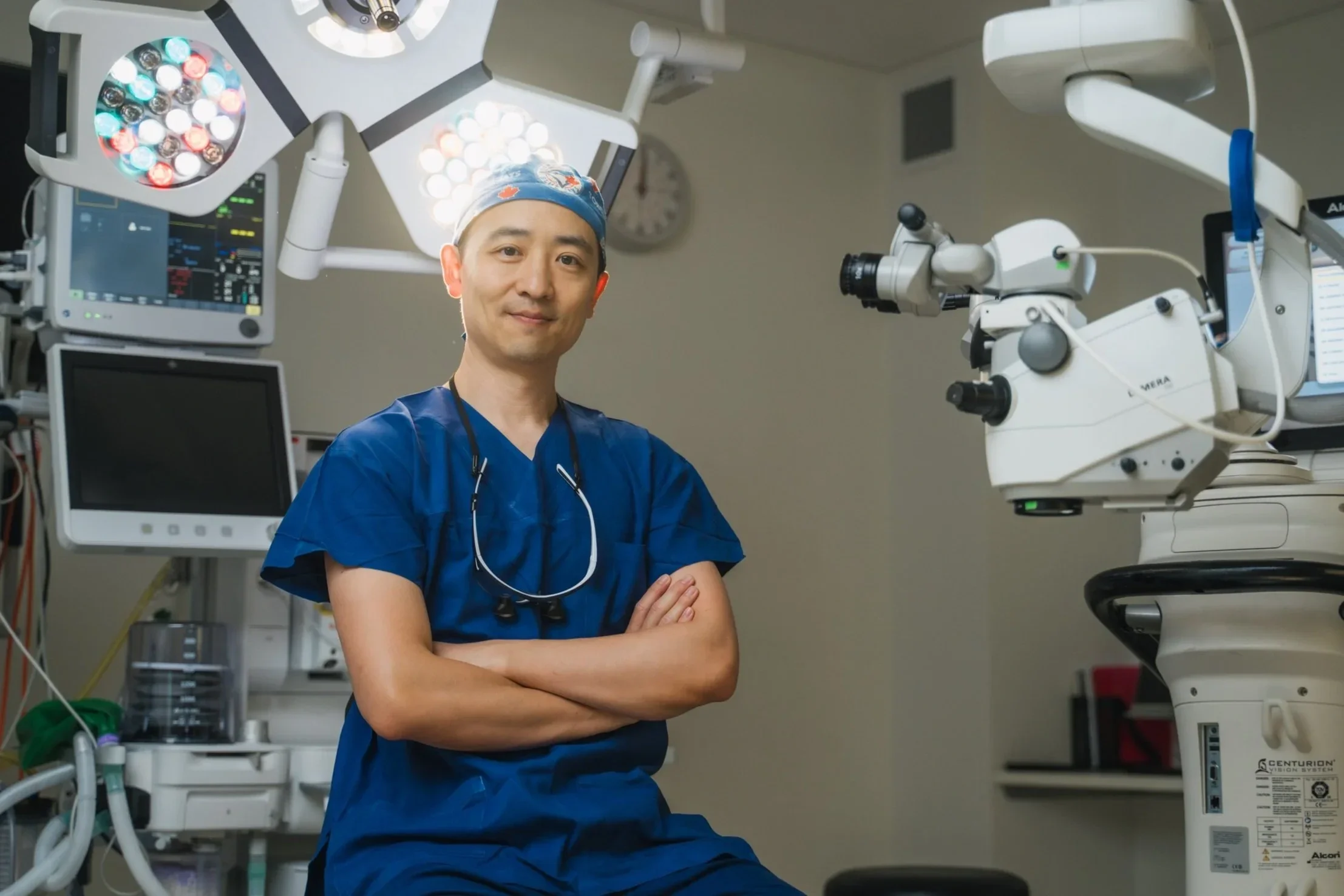
Procedures Offered by Dr Lee
Across all procedures, Dr Lee focuses on minimally invasive techniques, natural-looking outcomes, and protecting long-term eye health.
-
Blepharoplasty removes excess skin and tissue from the upper or lower eyelids. Functional blepharoplasty improves vision. Cosmetic blepharoplasty enhances appearance, and in many cases, both outcomes are achieved together.
-
Ptosis surgery corrects drooping eyelids by strengthening or repositioning the muscles that lift the eyelid. Dr Lee offers tailored ptosis correction depending on eyelid function, severity, and individual anatomy. Patients seeking ptosis surgery in Sydney benefit from a careful, measured approach that prioritises symmetry and comfort.
-
Following trauma or tumour removal, reconstruction restores both eyelid appearance and essential protective function.
-
For those with persistent tearing, nasolacrimal duct obstruction surgery may be recommended. This includes procedures designed to bypass or open the blocked tear drainage pathway. Dr Lee performs blocked tear duct surgery for adults primarily using endoscopic approaches, aiming for the best patient outcomes.
-
Orbital procedures address conditions affecting the eye socket, including trauma, inflammation, and complex disorders such as thyroid eye disease. Due to the orbit's anatomical complexity, where critical nerves and blood vessels pass through, these surgeries inherently carry a higher risk to vision. Orbital procedures are typically performed under general anaesthesia and often require overnight hospital admission for close postoperative monitoring.
-
Precise removal of eyelid skin cancers is followed by careful reconstruction to restore eyelid function and appearance. Tumour excision often involves close collaboration with a pathologist or a Mohs surgeon to ensure complete removal of microscopic disease before reconstruction begins.
Eyelid reconstruction may require the use of neighbouring skin or other tissues, such as oral mucosa from the inner lip or cartilage from the ear, to achieve optimal structural, functional, and aesthetic outcomes in the periocular region. In some cases, reconstruction is performed in stages, meaning more than one procedure may be required to complete treatment.
Recovery following eyelid reconstruction after skin cancer excision is often longer than that of routine eyelid surgery; it typically takes several months, compared with several weeks for standard blepharoplasty.
Pre-Surgery Preparation and Post-Surgery Care
Before Surgery
Patients come for a consultation with Dr Lee to ensure they feel comfortable, informed, and confident at every step. During the consultation, Dr Lee carefully examines the eyes and eyelids, assesses vision, and, when needed, uses imaging to gain a clear understanding of the condition. Time is taken to listen to each patient’s concerns, explain treatment options, and answer questions, so there are no surprises and patients feel reassured before proceeding.
After Surgery
Post-operative care is tailored to each individual, taking into account the procedure performed, healing response, and personal needs. The focus is always on comfort, healing, and safety. While most patients experience mild swelling or bruising that typically settles within 1–2 weeks, recovery can vary. Clear, personalised aftercare instructions, medications as needed, and carefully scheduled follow-up visits help ensure a smooth, well-monitored recovery.
About Dr Hugo Lee
Dr Hugo Lee is a Sydney-based ophthalmologist. His practice includes advanced oculoplastic surgical care for both adult and paediatric patients. He holds FRANZCO accreditation and has hospital affiliations across Sydney. His work encompasses functional, reconstructive, and cosmetic oculoplastic surgery, supported by ongoing research and education.
Why Choose Dr Hugo Lee?
Patients choose Dr Lee as their trusted adult oculoplastic surgeon for his:
Extensive medical and surgical expertise
Fellowship-level training in oculoplastic surgery
Experience with both adult and paediatric cases
Advanced imaging systems and modern surgical technology
A more personal, attentive patient experience
Commitment to natural, functional results
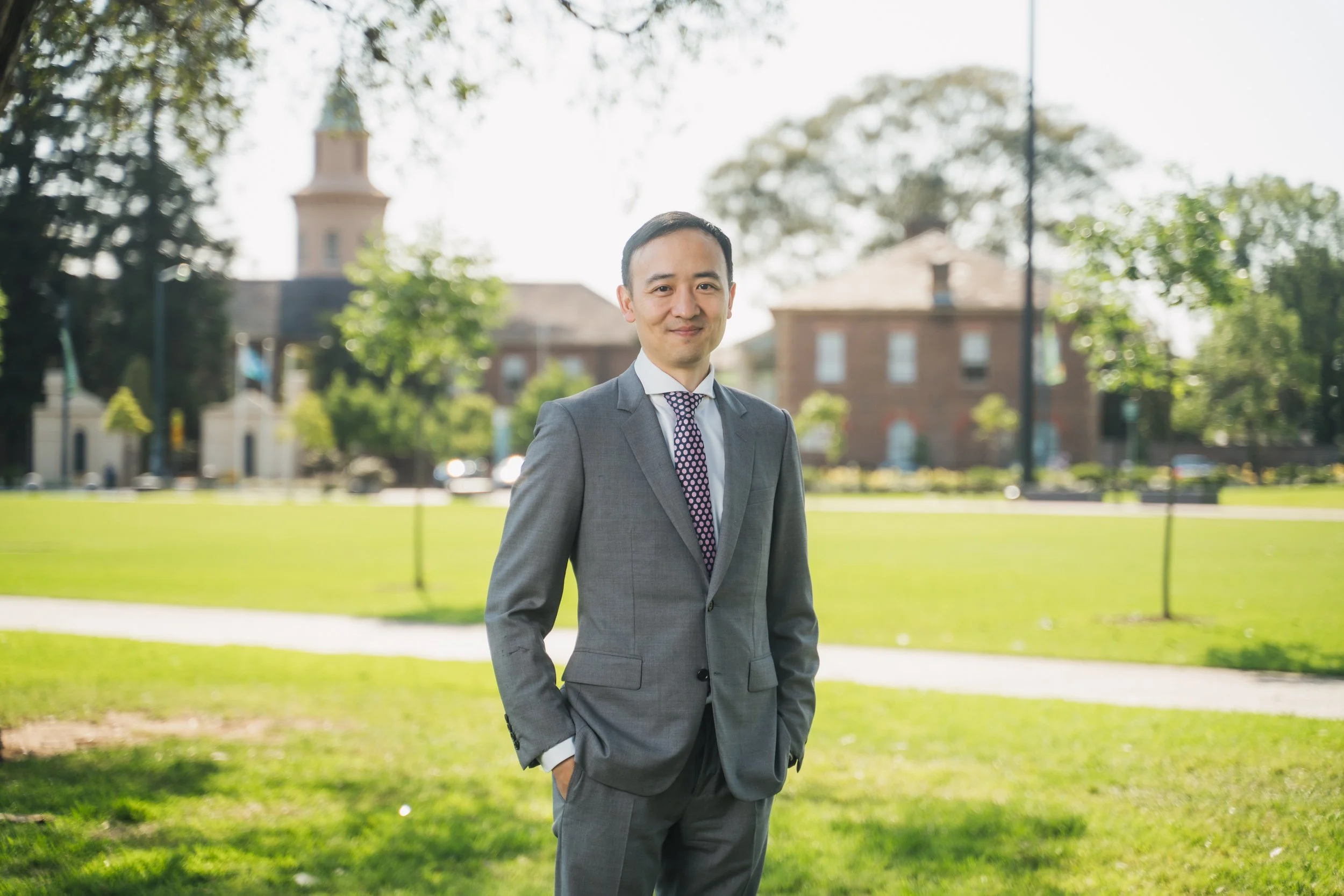
My Philosophy
“I strive to provide both adult and paediatric patients with a specialised clinical environment for the management of oculoplastic conditions, where comprehensive care is focused on accurately diagnosing the underlying causes of symptoms and suffering, supported by up-to-date technology. Time is taken to clearly explain the diagnosis and the reasoning behind each management decision, empowering patients with knowledge, confidence, and informed participation in care.
The treatment plans I offer are guided by the best available evidence, but are always shaped by what is practical, appropriate, and meaningful for the individual in front of me. I hope my practice provides reassurance through understanding, so that patients know not only what we are doing but also why we are doing it. Above all, my goal is for patients to leave feeling better informed and better supported, and for the path to recovery to feel as smooth as possible.”
Book a Consultation Today
Adult oculoplastic surgery can significantly improve vision, comfort, and confidence. If you’re experiencing eyelid changes, tearing, or eye-related concerns, Dr Hugo Lee and his team are here to help. To learn more or discuss your oculoplastic needs, book a consultation or contact our friendly team today.
Frequently Asked Questions
-
Recovery after adult oculoplastic surgery varies depending on the procedure performed and the individual. After eyelid procedures such as blepharoplasty or ptosis surgery, many patients feel comfortable returning to light daily activities within 7–14 days. Following tear duct surgery, most people can resume normal activities within approximately three days, particularly when the procedure is performed via an endonasal approach.
Driving can usually be resumed 24 hours after surgery. Vision is generally not affected by oculoplastic surgery; however, temporary blurring may occur for up to 30 minutes after applying postoperative antibiotic ointment to the eyelids. If sutures are placed on the eyelids, these are typically removed within 7–10 days. Some swelling or bruising around the eyes is normal and gradually settles over the following weeks.
-
Coverage generally depends on whether the procedure is functional (such as ptosis correction and tear duct surgery) or cosmetic. Functional treatments may be eligible for Medicare or private health insurance. Cosmetic procedures performed solely for appearance are generally not covered. Dr Lee will assess if your condition meets Medicare criteria during your consultation and ensure you understand all potential out-of-pocket costs beforehand.
-
The results of functional adult oculoplastic surgery are typically long-lasting, as these procedures address the underlying cause of the problem, whether it involves eyelid position, muscle function, or tear drainage. Procedures such as ptosis surgery or nasolacrimal duct obstruction surgery are performed to provide lasting improvements in vision and comfort.
Cosmetic outcomes can last many years, though natural ageing, skin quality, lifestyle factors, and sun exposure all play a role. Dr Lee aims for natural, balanced results that age well and support long-term eye health.
-
Functional oculoplastic surgery is performed to improve vision, eye comfort, or overall eye health. This includes procedures such as ptosis treatment to correct drooping eyelids, dermatochalasis surgery to remove excess skin that obstructs vision, and surgery to correct blocked tear ducts.
Cosmetic oculoplastic surgery focuses on enhancing appearance, such as smoothing eyelid contours or refreshing the eye area. While the primary goal may differ, many oculoplastic procedures achieve both functional and aesthetic benefits.