

Paediatric Oculoplastic Surgery in Sydney with Dr Hugo Lee
Dr Hugo Lee provides specialised paediatric oculoplastic care in Sydney, offering families clear guidance, gentle communication, and thoughtful treatment plans tailored to each child. His practice is a comfortable, calm, and child-friendly environment, helping young patients feel safe and supported from their very first visit.
Paediatric oculoplastic surgery focuses on diagnosing and treating conditions affecting a child’s eyelids, tear ducts, and the structures around the eyes, with careful attention to both eye health and facial development.
What is Paediatric Oculoplastic Surgery?
Paediatric oculoplastics is a highly specialised area of eye care that addresses conditions present at birth or developing during childhood. Because children’s eyes and faces are still growing, early assessment and treatment can be critical for healthy vision and facial development.
Some conditions, such as drooping eyelids or blocked tear ducts, may seem mild at first but can interfere with vision, eye comfort, or normal development if left untreated. A paediatric oculoplastic surgeon has advanced training to manage these delicate issues while minimising disruption to a child’s growth and daily life.
A Compassionate Approach for Children and Parents
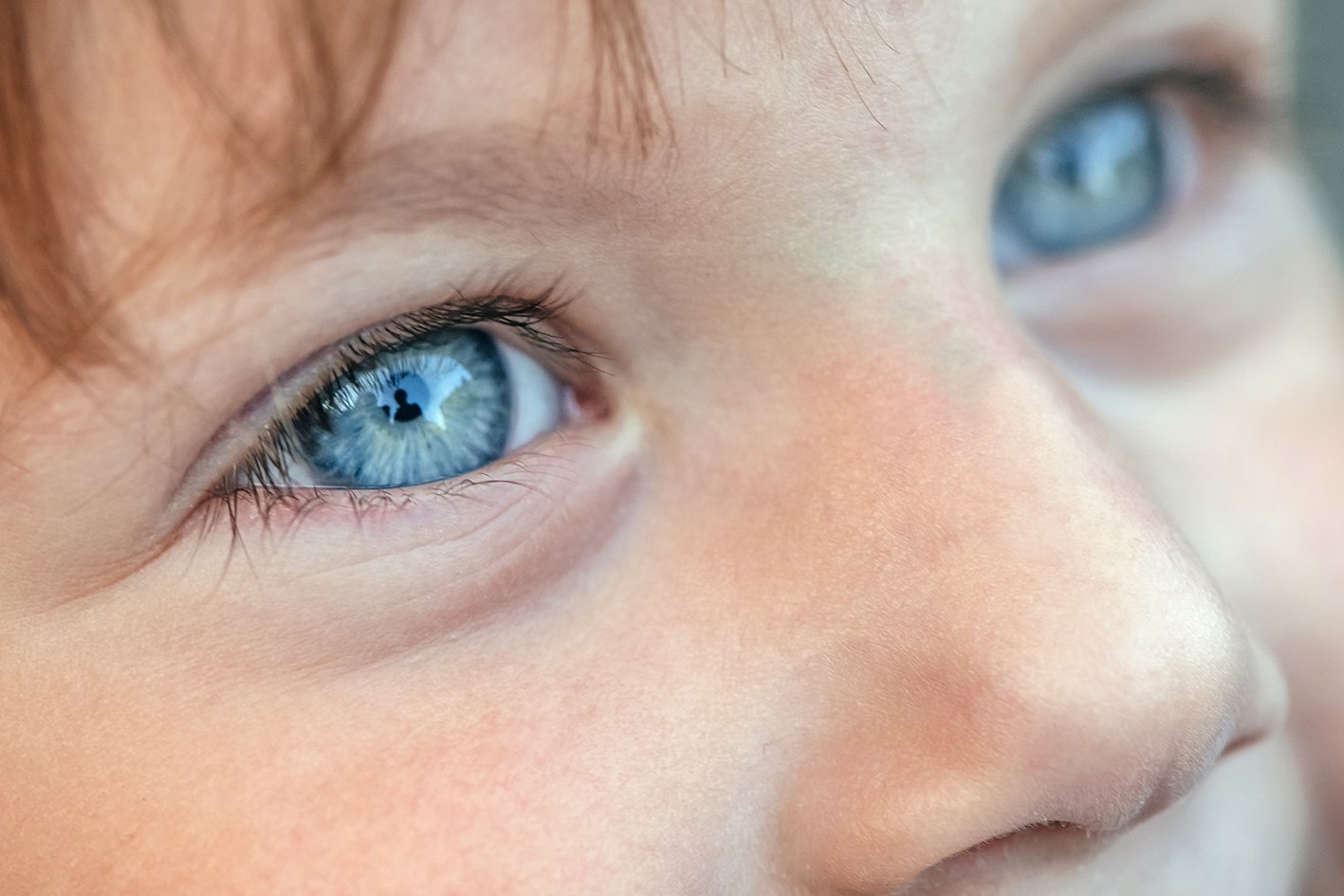
Dr Hugo Lee has extensive experience working with infants, children, and their families. He understands that paediatric care is also about supporting parents with clear explanations, realistic expectations, and reassurance at every step. He takes a clear, calm approach when explaining conditions and treatment options, ensuring children feel at ease during consultations.
Common Paediatric Oculoplastic Conditions Treated
-
A blocked tear duct in a baby can cause excessive tearing or discharge. Blocked tear ducts, or congenital nasolacrimal duct obstruction, are common and often resolve on their own during the first year of life. If symptoms persist, gentle procedures can help restore normal tear drainage and relieve discomfort.
-
Congenital ptosis refers to drooping of the upper eyelid that is present at birth or develops early in life. Ptosis in babies can range from mild to severe and may affect one or both eyes.
If the eyelid covers part of the pupil, it can interfere with vision and lead to amblyopia. Depending on severity, ptosis surgery for babies is recommended to protect vision and support normal visual development.
-
Amblyopia, often referred to as “lazy eye,” occurs when vision in one eye does not develop properly during early childhood. In most cases, amblyopia treatments for children don’t require surgery and methods such as glasses or patching can be all that’s needed.
-
Some children are born with differences in eyelid shape or position that may affect eye protection, comfort, or appearance. These conditions are carefully assessed to determine whether surgery is needed and the most appropriate time to perform it.
-
Benign eyelid cysts or lesions can occur in children. While many are harmless, some may require removal if they grow, become irritated, or interfere with vision.
-
In rare cases, children may need treatment for injuries, inflammation, or growths affecting the eye socket. These conditions require specialised assessment and coordinated care.

Paediatric Oculoplastic Procedures
Paediatric oculoplastic surgery is planned with a child’s safety, comfort, and long-term outcomes in mind. All procedures use child-safe anaesthetic techniques and, where possible, minimally invasive methods to support smoother recovery.
-
For persistent tear duct blockage, a gentle probing procedure may be performed to open the drainage pathway. This is commonly used for congenital nasolacrimal duct obstruction that has not resolved naturally.
-
Ptosis surgery for a baby with drooping eyelids aims to improve eyelid position while protecting their vision. The timing and technique are tailored to the child’s age, eyelid strength, and visual development.
-
Small lesions or cysts can be removed using precise techniques that minimise scarring and preserve eyelid function. Chalazia (often referred to as styes) are the most common eyelid cysts seen in paediatric oculoplastic practice.
-
For more complex conditions, reconstructive procedures may be required to protect the eye and support healthy development.
Pre-Surgery Preparation: What Parents Can Expect
Before surgery, families are guided carefully through the preparation process. This includes:
A thorough consultation to assess your child’s condition
Discussion of treatment options and expected outcomes
Imaging or further tests if required
Anaesthetic assessment by a specialist paediatric team
Clear instructions for the day of surgery, including fasting and comfort measures
Parents are encouraged to ask questions and share any concerns. Safety, clarity, and reassurance are prioritised at every stage.
Aftercare and Follow-Up
After surgery, most children recover quickly and comfortably. Parents are given clear, practical instructions on caring for their child’s recovery at home, including how to monitor healing and to let Dr Lee’s team know if any concerns arise. Follow-up appointments are scheduled to check healing, eyelid position, and vision development. Ongoing monitoring ensures the best long-term outcome as your child grows.

About Dr Hugo Lee
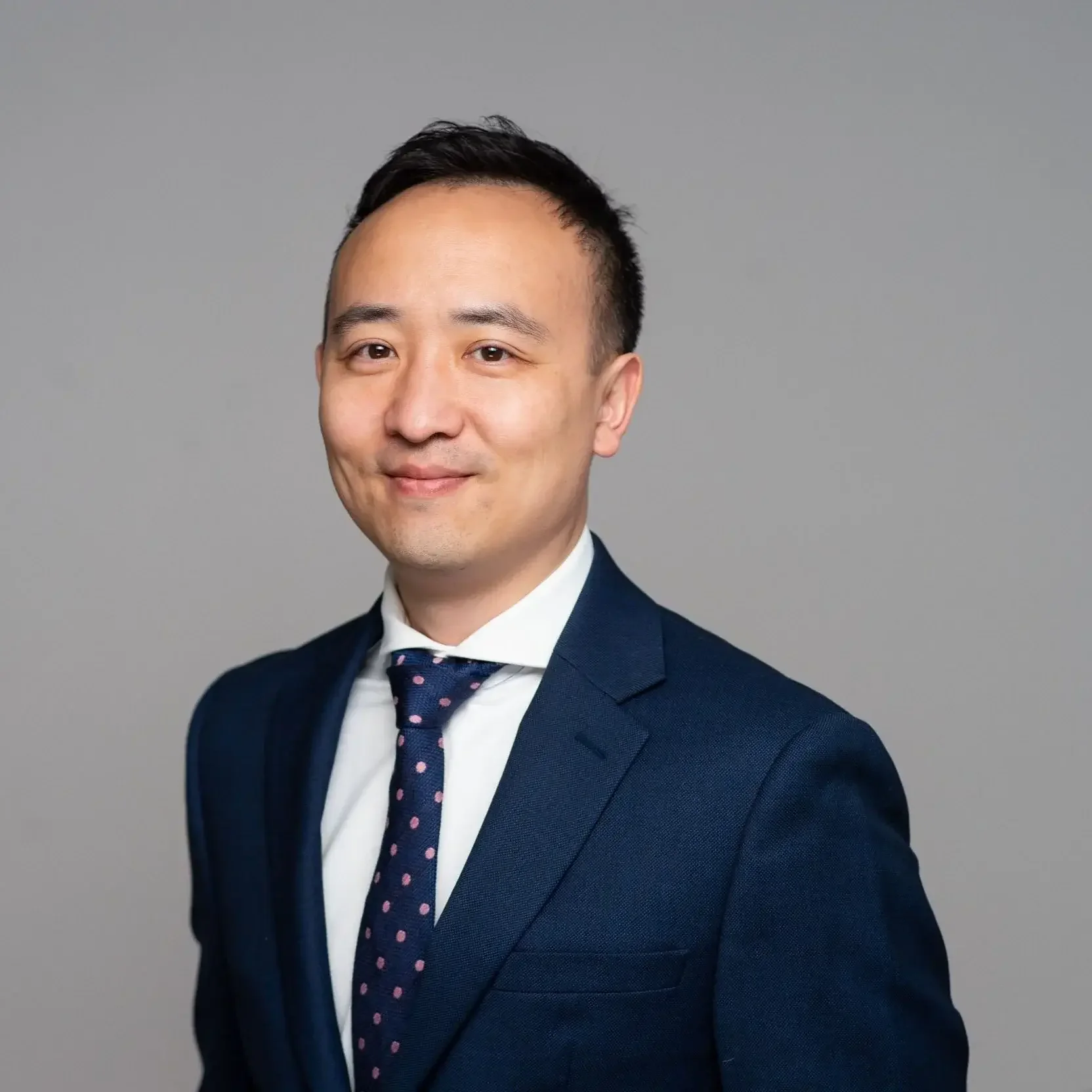
Dr Hugo Lee is an eye surgeon with specialist training in paediatric eye conditions and subspecialty training in oculoplastic surgery for both adults and children. His qualifications include BSc (Hons), MBBS (UNSW), GDipMedSc (USyd), FRANZCO, and ANZSOPS. He is also an international member of the prestigious American Academy of Ophthalmology (AAO) and American Association for Pediatric Ophthalmology and Strabismus (AAPOS).
Dr Lee has a strong research interest in adult and paediatric oculoplastic conditions and is experienced in managing complex cases with care and precision. Families value his calm communication style, thoughtful decision-making, and genuine commitment to child-centred care.
Contact Dr Hugo Lee’s Sydney Practice
If you have concerns about your child’s eyelids, tear ducts, or eye development, early assessment can make a difference. Dr Hugo Lee provides trusted pediatric oculoplastic surgery in Sydney, with a compassionate approach that puts children and families first. To discuss your child’s needs or book a consultation, contact Dr Hugo Lee’s practice today.
Frequently Asked Questions
-
Amblyopia, often referred to as “lazy eye,” occurs when the connection between the brain and one eye does not develop properly during childhood. Much like how most people develop a dominant hand, the visual system can develop a strong preference for one eye when, ideally, both eyes should work together with near-equal strength.
Importantly, amblyopia often has no obvious symptoms. A child may appear to see normally when both eyes are open, and the condition can go unnoticed without screening. As amblyopia becomes more pronounced, signs may include an eye that begins to wander or turn, frequent squinting, closing one eye to see more clearly, or a noticeable preference for using one eye over the other. Conversely, children born with misaligned eyes (strabismus) who are not treated early are also at risk of developing amblyopia.
Many underlying conditions can lead to amblyopia, and most are treatable or reversible when detected early, which is why early childhood vision screening is essential. Common causes include strabismus, uncorrected refractive errors (where blurred images are focused on the eye), visual obstruction (such as congenital ptosis or cataract), or intrinsic eye conditions that impair vision, such as congenital glaucoma.
-
Ptosis baby treatment is recommended when a drooping eyelid begins to interfere with a baby’s vision or normal visual development. In mild cases, where the eyelid does not block the pupil, careful monitoring may be all that is needed. Surgical corrections are also performed when clear asymmetry affects the child’s psychosocial development.
-
Chalazia (often referred to as styes) are the most common eyelid cysts seen in paediatric oculoplastic practice. They typically appear as a small, red, pea-like lump on the eyelid and often cause more concern for parents than discomfort for the child, as many chalazia are relatively painless despite their inflamed appearance.
A chalazion forms within the tarsal plate, the firm “cartilage” of the eyelid, when one of the oil-producing glands becomes blocked. These glands (meibomian glands) open along the eyelid margin just behind the eyelashes, with around 20–30 openings on each lid. Blockage can occur due to thickened oil secretions, local irritation, or bacterial overgrowth, which can allow the cyst to enlarge, sometimes quite rapidly.
Initial treatment usually involves warm compresses and careful eyelid hygiene to help clear the blockage. If the chalazion becomes large, troublesome, or persists for more than six weeks despite these measures, a minor surgical procedure to drain the cyst from within the eyelid may be considered. In adults, this can often be performed in the clinic under local anaesthesia, whereas in children it is usually carried out under general anaesthesia to ensure comfort and safety.
-
In most cases, treatment for a baby’s blocked tear duct (congenital nasolacrimal duct obstruction) involves a simple probing procedure performed under general anaesthesia.
A fine instrument is used to gently open the tear drainage pathway, often with the assistance of an endoscope to visualise the nasal opening of the tear duct. This allows tears to drain normally and helps reduce persistent watering or discharge. In many cases, a soft silicone tube is placed in the tear duct during surgery to prevent scarring or re-narrowing during healing. These tubes are temporary and are usually removed easily in the clinic during a postoperative visit.
In rare cases, a more definitive procedure, known as a dacryocystorhinostomy (DCR), may be required to establish tear drainage. In children, this surgery is almost always performed endonasally (through the nose) to avoid facial scarring. The procedure is similar in principle to that performed in adults and is discussed in more detail in the adult oculoplastic section.
-
In many cases, paediatric oculoplastic surgery provides long-lasting results and does not require repeated procedures. However, because children’s eyes and faces continue to grow, some conditions may need ongoing monitoring or additional treatment over time. This can be the case with conditions such as congenital ptosis or certain eyelid or orbital concerns.
Dr Lee takes a long-term view of your child’s eye health, carefully planning treatment and follow-up to support healthy development. Parents are kept informed at every stage, with clear guidance about what to expect as their child grows and when review appointments may be needed.
-
While every child’s recovery is different, most children recover quickly after paediatric oculoplastic surgery. Many are back to their usual routines within a few days to a week, with minimal discomfort. Mild swelling or bruising may occur but typically settles on its own over a short period. Parents receive clear, practical aftercare instructions and reassurance about what is normal during the healing process.